


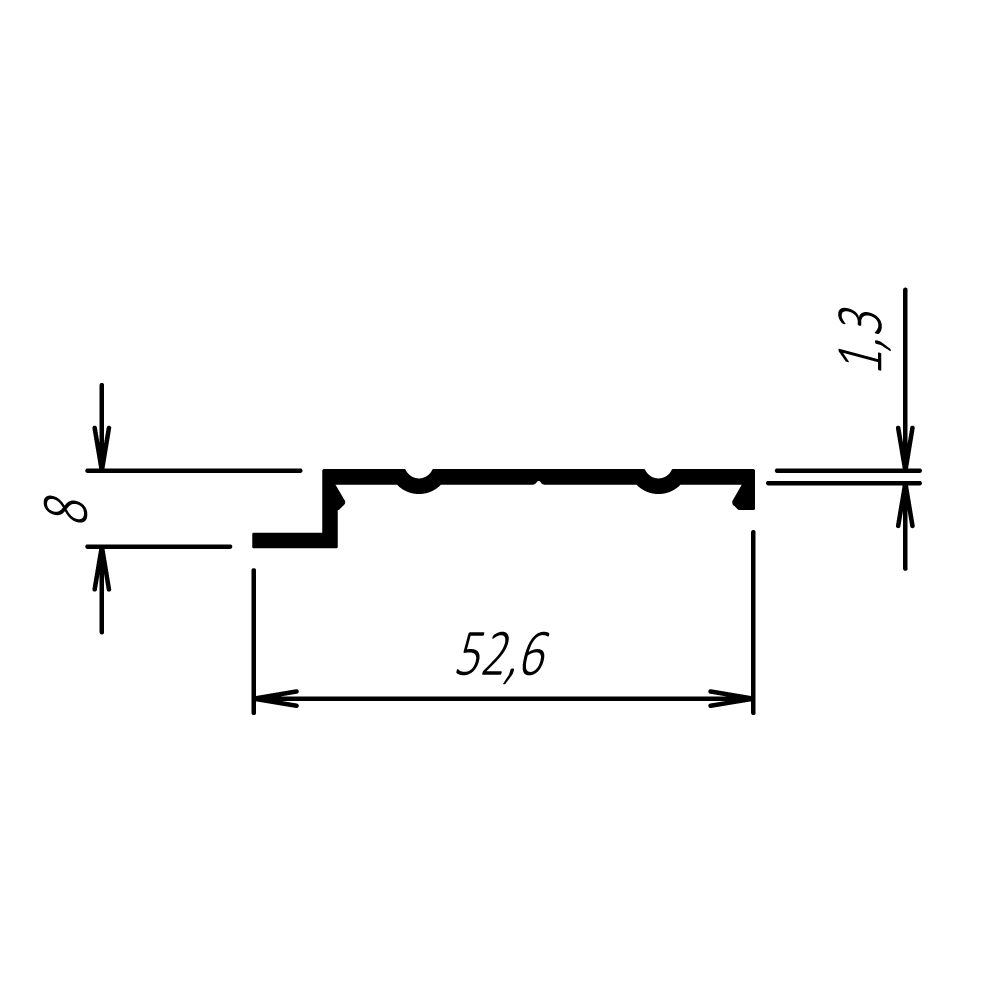
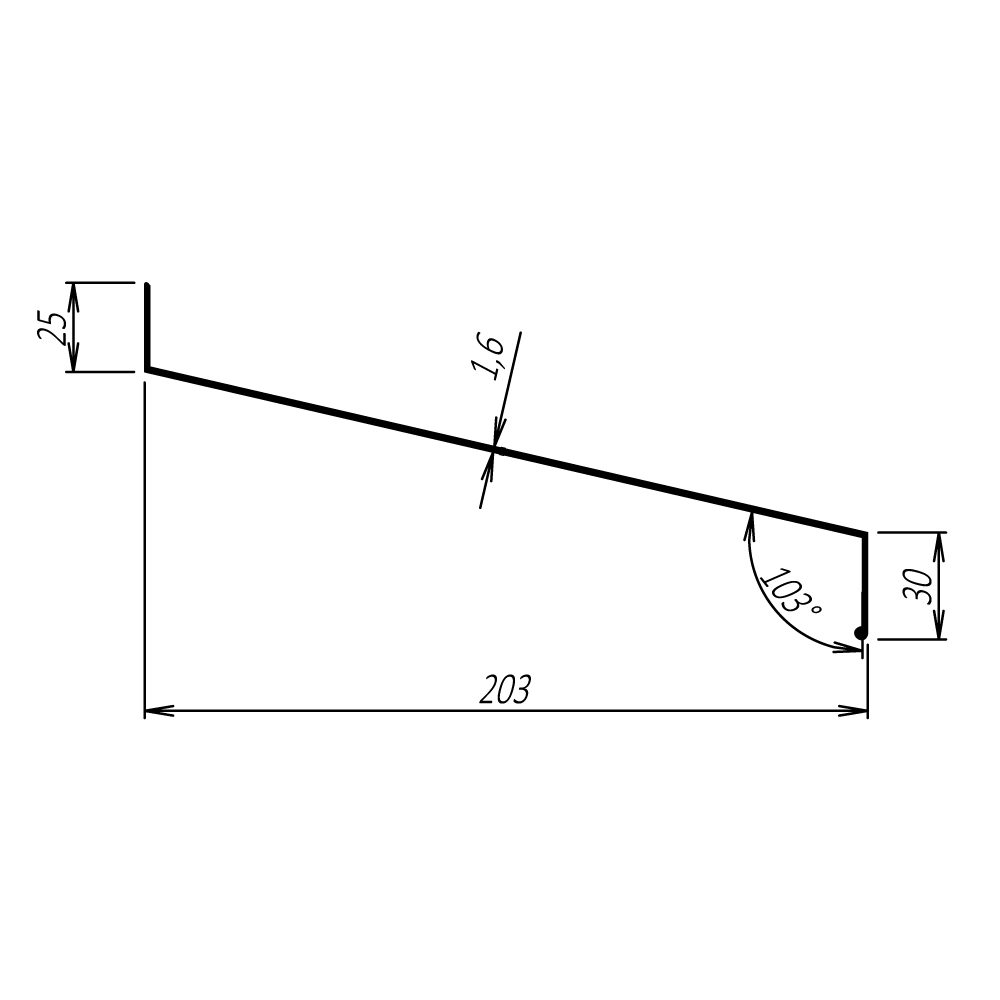


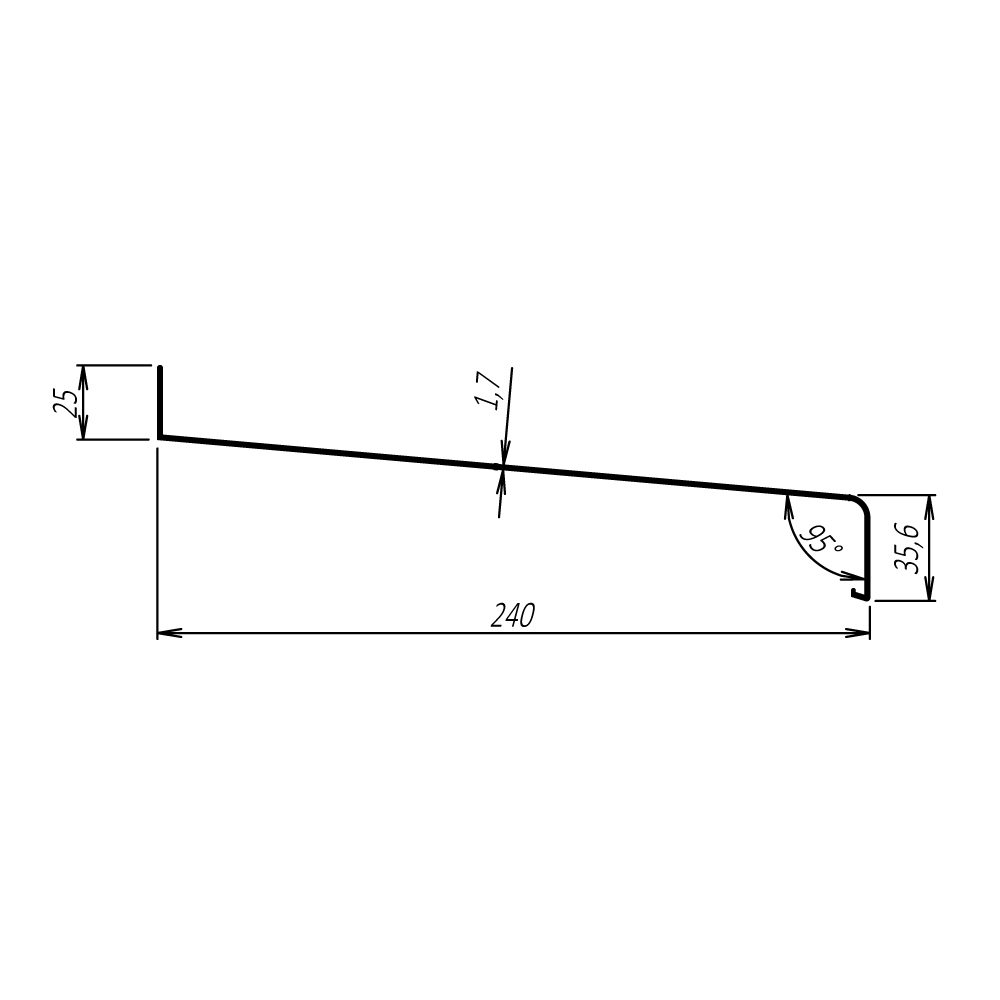
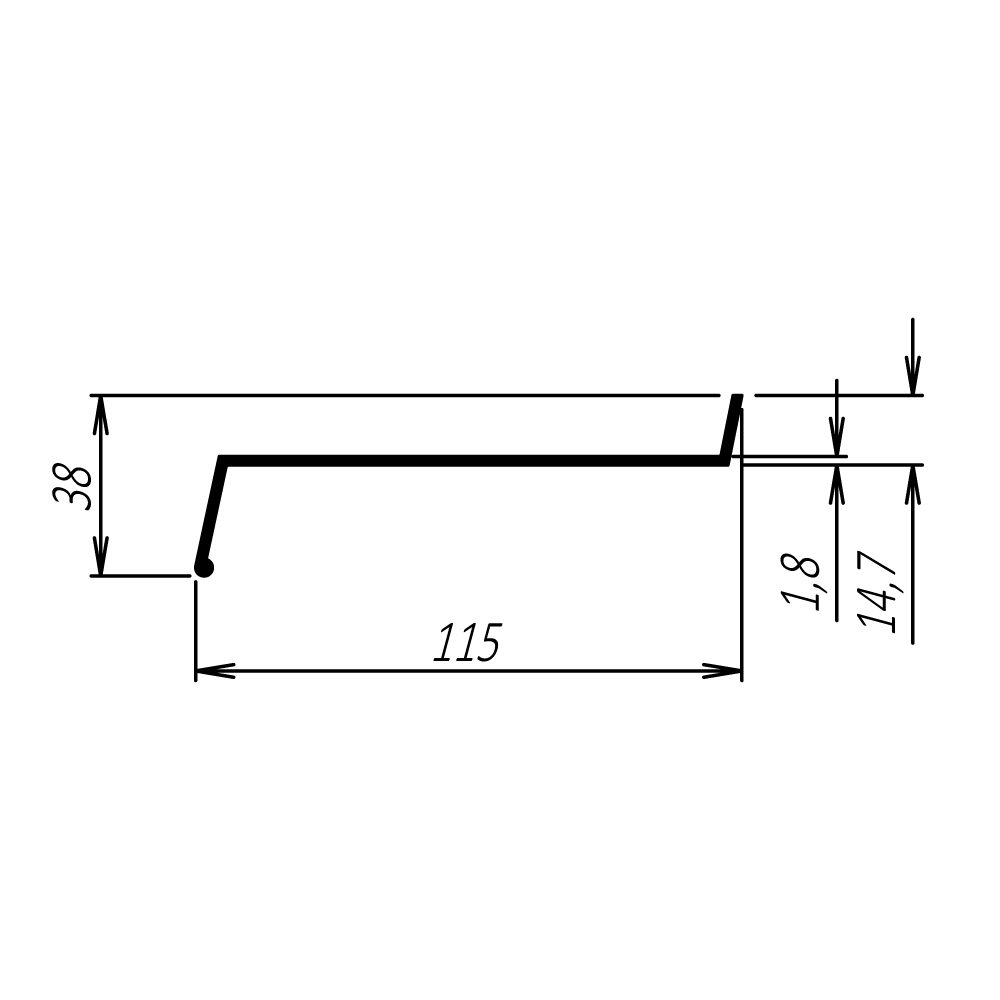


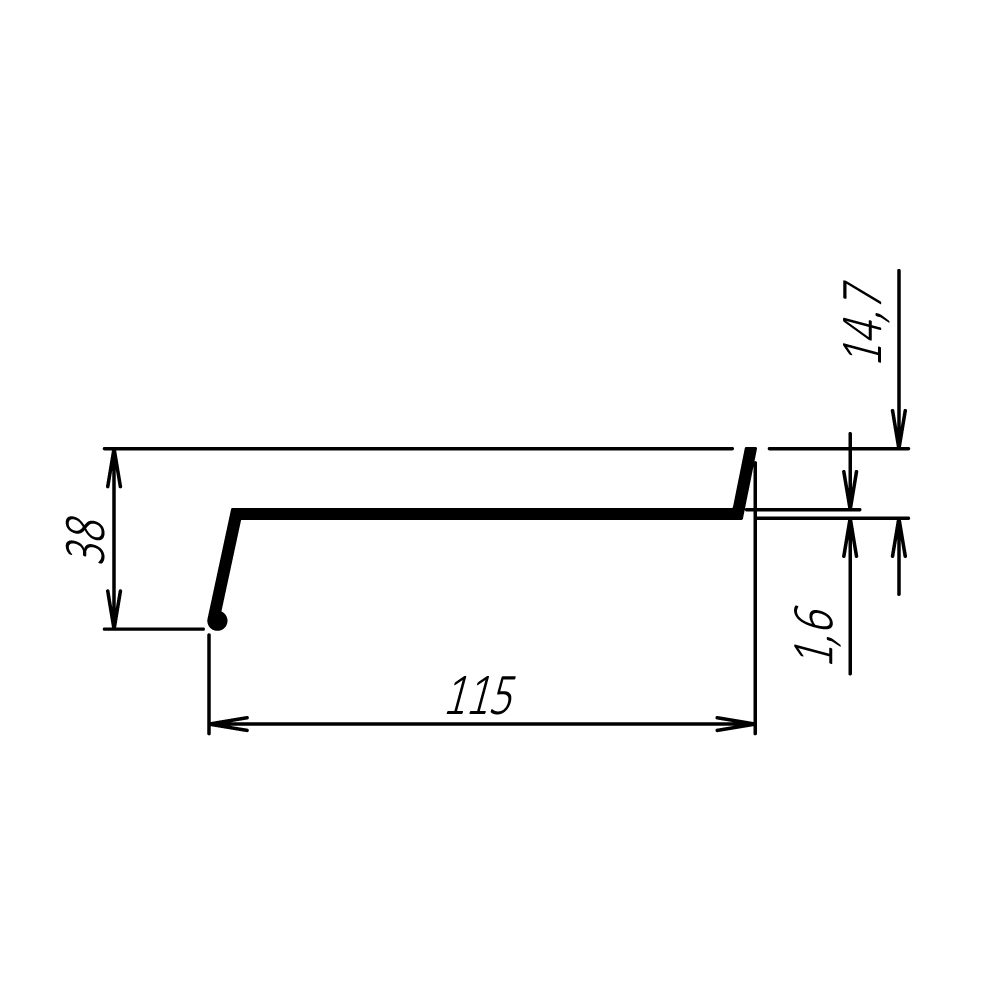
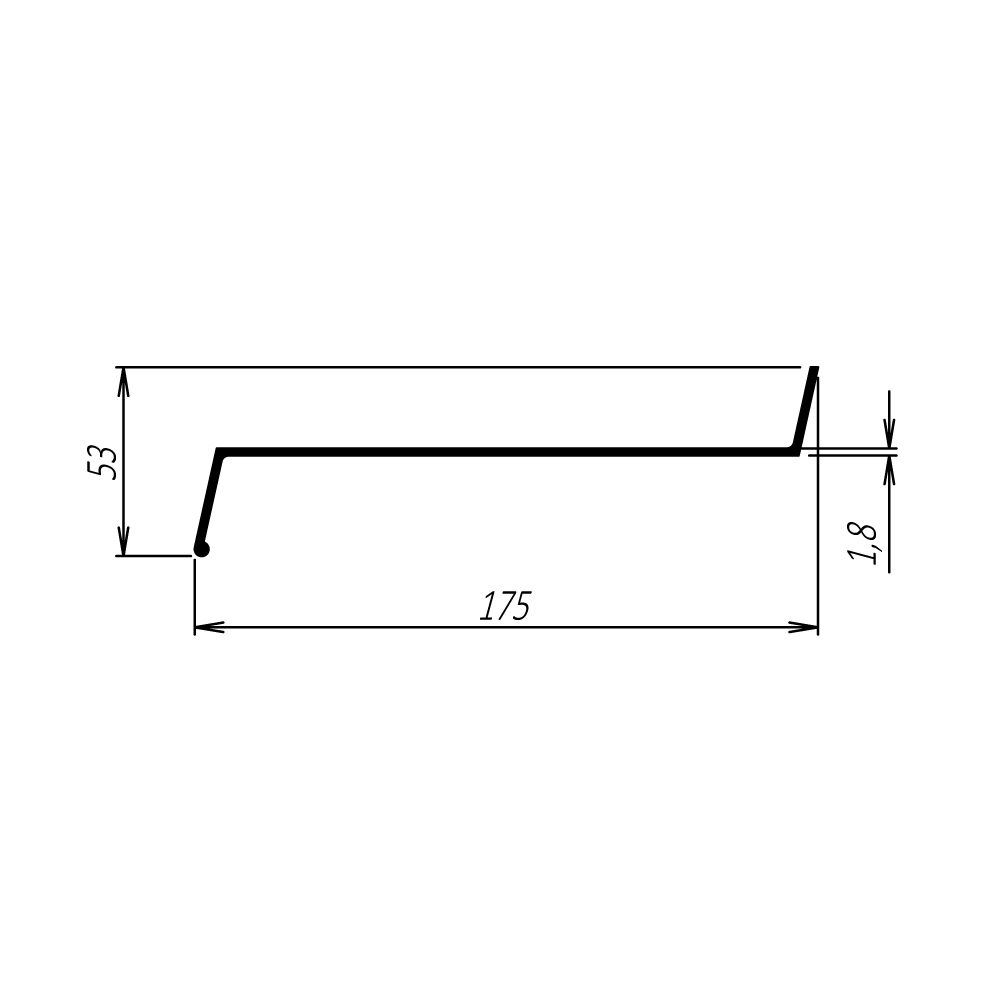


STILL PROFILES Hakkında Teknik Bilgiler
What Are Aluminum Window Sill Profiles and Where Are They Used?
The answer to the question *“What are aluminum window sill profiles?”* is that they are components placed beneath window frames on both the interior and exterior sides of buildings, commercial centers, residences, hospitals, museums—in short, any architectural structure where daylight entry is considered essential. These parts are known as *window sill profiles*.
Window sills have traditionally been made from various materials. In earlier times, before technological advancements, materials such as natural stone (e.g., marble) and wood were commonly used.
Today, **aluminum window sill profiles** are widely used beneath window frames in buildings, offices, residences, hospitals, and museums. Their purpose is to prevent rainwater and snowmelt from seeping into the structure, thereby avoiding moisture and water-related damage inside and outside the building.
There are several reasons why aluminum window sill profiles are widely preferred: they are incredibly lightweight compared to other alternatives, cost-effective, and available in a wide range of color options.
Aluminum window sill profiles are also environmentally friendly. In cases where buildings are demolished or renovated, these profiles can be collected and sent to recycling facilities. There, they are melted down and reused in aluminum manufacturing plants. This recycling process is infinite and requires minimal energy, making it nearly harmless to the environment.
Aluminum window sill profiles are available in anodized or electrostatic powder-coated finishes.
Common anodized options include **matte anodized**, **matte black anodized**, **matte gold anodized**, and **matte inox anodized** finishes.
Powder-coated aluminum window sill profiles can be produced in any color from the RAL color chart. Architects and designers prefer them to enhance a building’s aesthetic appeal without adding excessive weight to the structure—thus increasing the visual impact of residential buildings, office towers, and other structures.
It is essential that aluminum window sill profiles are installed correctly to function as intended. During installation, proper slope must be ensured so that rainwater and snowmelt can drain effectively and do not seep into the walls. Additionally, the auxiliary materials used with the profiles must be selected appropriately for optimum performance.